How Self-Awareness Transformed My Response to a Mistake
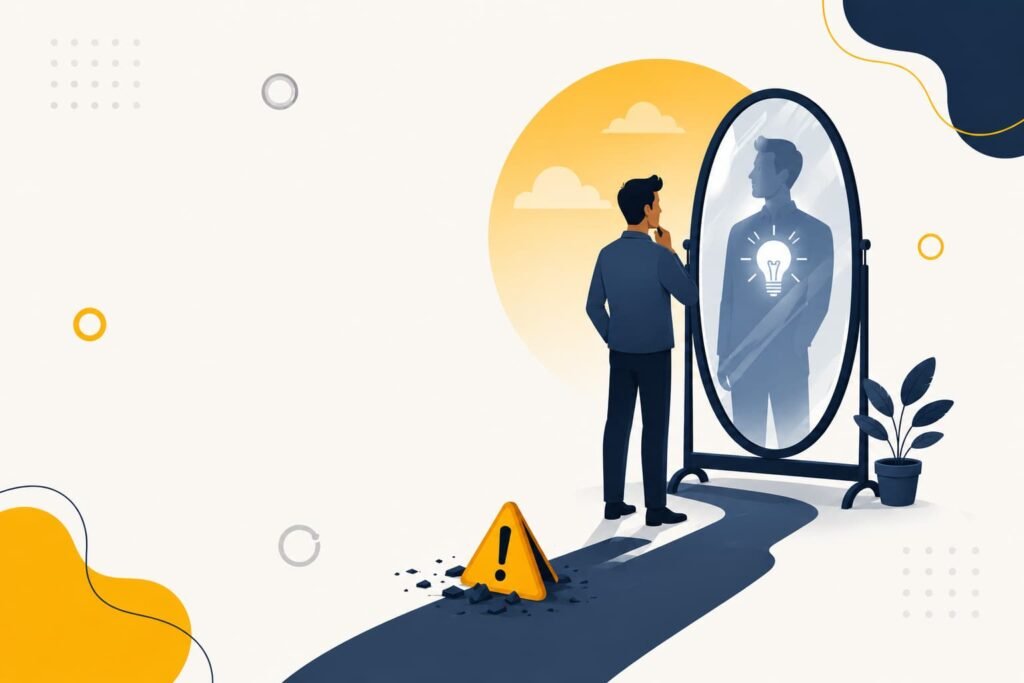
We all make mistakes, but how we respond to them is what truly defines us. As a Hogan-assessments certified coach, I’ve spent a lot of time understanding how personality traits shape behavior—especially under stress. Yet, no amount of theory can prepare you for that sinking feeling when you realize you’ve messed up. The Moment of Realization Recently, I missed a critical client meeting. The realization hit me hard, and for a moment, my thoughts spiraled: The Inner Conflict My first instinct? Blame myself. I even thought about coming up with an excuse—something, anything, to deflect the situation. But then I stopped. That’s not me, and I knew it. So, I took a deep breath, sent an apology, admitted my mistake, and proposed a reschedule. Was it easy? Not at all. Owning up felt uncomfortable and left me feeling exposed. But here’s the thing: I’ve learned that authenticity matters way more than perfection. The Role of Awareness Thanks to Hogan, I understand how my personality influences my reactions. Being high on skepticism and dutifulness, I tend to overthink and self-blame. Without this awareness, I might have spiraled into negativity, wasting hours questioning my worth. Instead, I focused on learning from the situation. This experience also reminded me of a powerful moment during a client debrief. Midway through our session, they exclaimed, “Wow, this is so me!” They had just discovered how their high scores on Aesthetics and Power in the MVPI shaped their preference for high-visibility roles and environments that foster creativity. However, this also made them unconsciously biased toward people with polished presentations, often overlooking the brilliance of less “formatted” ideas. Similarly, another leader reflected on their personality profile: high “Reserved” on the HDS and low “Sociability” on the HPI. These traits made them naturally inclined to limit interactions and work alone, especially under stress. While this coping mechanism might seem harmless, as a leader, it had created the perception of them being “absent.” They believed they were always available for their team—but their detachment under pressure sent a very different message. What I Learned These stories reinforced what I had learned from my own mistake: self-awareness is transformative. Here’s what I took away: Moving Forward Here’s the truth: awareness is only the first step. What you do with it is what really matters. By understanding my personality, I’ve learned to approach mistakes with honesty and focus on solutions instead of spiraling. And watching my clients transform their leadership styles has shown me just how powerful self-awareness can be. Even as a coach, I’m constantly reminded that there’s always room to learn, adapt, and do better.
Finding the Perfect Knowledge Partner: A Guide to Elevating Your Team’s Growth

Developing your team is one of the most impactful long-term investments you can make as a leader. But when it comes to selecting external knowledge partners to guide this journey, the process can feel daunting. How do you ensure your investment is aligned with your goals and delivers results? Over the years, I’ve grappled with this question and honed a process that balances intuition, data, and collaboration. Here’s how you can do the same. Where It All Began Almost 10–12 years ago, I found myself leading a team and striving to help them grow into superstars. I wanted to reward their performance, especially when financial hikes weren’t always an option. Development, I realized, was a powerful alternative—a long-term investment in their careers. But I was stuck with questions: I turned to friends, consultants, and mentors for advice. One piece of guidance stood out: Root your decisions in data and evidence, but trust your intuition. This advice transformed how I approached team development—and how I choose external partners today. The Key to Team Development: A Well-Defined Process The questions I wrestled with back then form the foundation of my approach today. A good external partner should not replace your process; they should enhance it. Here’s the process I follow: 1️⃣ Clarify Your Goals and Priorities Before even considering an external partner, take the time to define what you’re aiming for. Are you looking to develop specific skills, instill behaviors, or improve overall team performance? Get clear on what success looks like and how you’ll measure it. 2️⃣ Use Data and Evidence Gather insights from your team’s performance, feedback, and aspirations. This data will inform the development areas to focus on and ensure you’re making objective decisions. 3️⃣ Individualization Matters Remember, no two team members are alike. What works for one person may not work for another. The development initiatives you choose should be flexible enough to cater to individual needs while aligning with overall team goals. How to Choose the Right External Knowledge Partner When you’ve clarified your process and goals, the next step is to find the right external knowledge partner. Here’s how to ensure you make the right choice: 1. Evaluate Expertise and Alignment Look for partners who specialize in the areas you want to develop. Ask them how they customize their approach and ensure their methodology aligns with your focus on long-term growth. 2. Define Success Together Communicate your goals and success criteria clearly. A strong partner will co-create a roadmap with you rather than offering a one-size-fits-all solution. 3. Test Their Process Ask potential partners about their diagnostic methods. Do they conduct interviews, use data, or provide tools for assessing needs? Ensure their approach complements your process of balancing intuition with evidence. 4. Look for Collaboration The right partner won’t just deliver solutions—they’ll adapt, iterate, and grow with you. Flexibility and openness to feedback are key traits to look for. 5. Start Small Begin with a pilot project to assess their impact. This allows you to gauge their fit and effectiveness before committing to larger initiatives. 6. Check Cultural Fit A good partner will respect your organization’s values and culture. They should align with your team’s work style and bring ideas that enhance, not disrupt, the environment you’ve built. Why This Matters Choosing the right external knowledge partner isn’t just about ticking boxes—it’s about finding someone who amplifies your vision for your team. The partner should understand that their role is to empower your people and ensure every development initiative contributes to individual growth and organizational success. I’ve made mistakes in this process, but each one taught me something valuable. Today, I’m confident in my ability to choose partners who align with my process, deliver measurable results, and help my team thrive. Your Turn If you’re navigating the journey of team development, remember this: a clear process, rooted in evidence and intuition, is your best guide. And the right external partner? They’re the ones who’ll respect that process and enhance your efforts. How do you approach selecting external partners for your team? I’d love to hear your thoughts and learn from your experiences. Let’s share ideas and build better teams together.